
The Founder of the Gonstead Technique: Dr. Clarence Gonstead
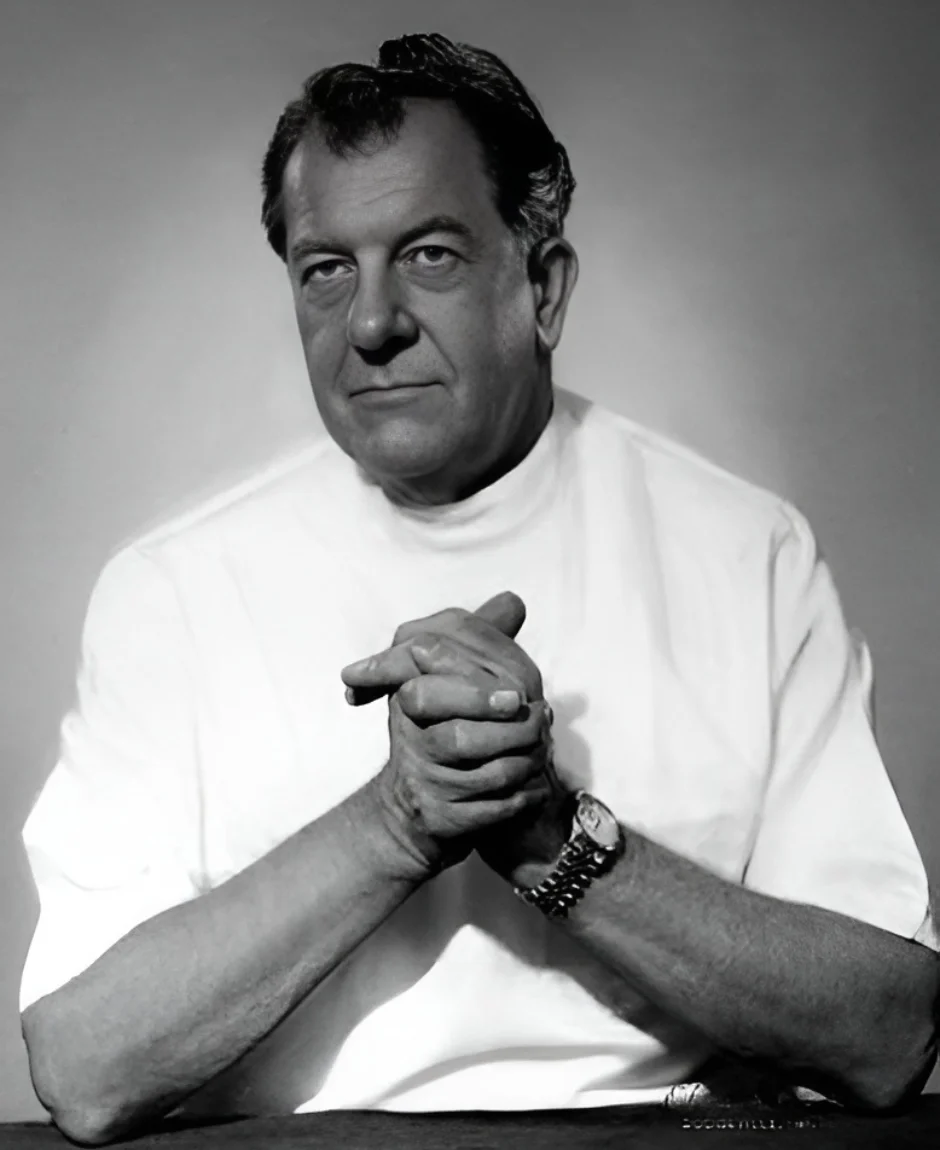
1898 – 1978 · Mt. Horeb, WisconsinDr. Clarence Gonstead was the Wisconsin chiropractor who developed the Gonstead Technique — the precise, X-ray-guided method of spinal analysis and adjustment used today at Genesis Chiropractic in Appleton. His approach grew out of his own recovery from a crippling illness, a background in automotive mechanics, and a willingness to challenge the dominant chiropractic theory of his era.
His Story, In Order
Who Was Dr. Clarence Gonstead?
Gonstead was born on July 23, 1898. His family later settled on a dairy farm in Primrose, Wisconsin, where he grew up. At 19, he was struck by a severe case of rheumatoid arthritis that left him bedridden for weeks. His aunt arranged for her own chiropractor, Dr. J.B. Olson, to see him — and the adjustments worked. Gonstead recovered enough to walk again, an experience that redirected the entire course of his life.
From Farm Mechanic to Chiropractor
Gonstead graduated from Palmer College in 1923, while continuing to work as an automotive engineer. That mechanical background never left him — he thought about the spine in terms of load, alignment, and precise correction. It pushed him to question the dominant theory of his era, which held that vertebral displacement caused problems by physically encroaching on nerve openings between vertebrae.
A Genuine Departure From the Norm
Gonstead’s breakthrough held that subluxations originate at the disc level, where inflammation from damaged tissue creates the nerve pressure behind a subluxation’s symptoms. This reshaped what “correcting” a subluxation even meant — the goal became realigning the vertebra specifically in relation to the disc beneath it.
Building What Didn’t Exist Yet
To put his theory into practice, Gonstead needed tools that didn’t exist — so he built them. The Nervoscope measured bilateral temperature differences along the spine, giving an objective way to detect the neurological component of a subluxation. The cervical chair and knee-chest table let a doctor use gravity and positioning to achieve the precise angle a disc-level correction requires.
These tools map directly onto the 5 components of Gonstead care still used today.
A Clinic That Outgrew Its Small Town
Gonstead’s practice in Mt. Horeb grew into something unusual for a small-town chiropractic office — at its peak, the clinic had its own airstrip and a hotel built specifically for patients, many of whom flew in from other states and countries. It’s often said within the Gonstead community that not one of his patients contracted polio during the U.S. epidemic of the early-to-mid 20th century — an oft-repeated piece of Gonstead oral history, though not one tied to a documented medical record.
“Chiropractic always works. You may question your application, but never question the principle.”
— Dr. Clarence Gonstead
Experience Gonstead Care in Appleton
Dr. Maycee and Dr. Alex both trained extensively through the Gonstead Methodology Institute, applying the same core system Gonstead built nearly a century ago — full-spine X-rays, precise palpation, and a specific, hand-delivered correction. Call (920) 732-2285 or schedule your first visit online to experience the method firsthand.
Frequently Asked Questions
When Was the Gonstead Technique Developed?
Clarence Gonstead developed the core of his system in the decades following his graduation from Palmer College of Chiropractic in 1923, refining it throughout his career at his clinic in Mt. Horeb, Wisconsin.
What Makes the Gonstead Technique Different From Other Chiropractic Methods?
Gonstead care is built around the Level Disc Theory and uses full-spine X-rays, motion palpation, and instrumentation to locate and correct a specific vertebra, rather than applying a general adjustment across the whole spine.
Do Dr. Maycee and Dr. Alex Use the Original Gonstead Method?
Yes — both doctors trained through the Gonstead Methodology Institute and apply the same core system Clarence Gonstead developed, including X-ray analysis, motion palpation, and instrumentation.